Keston Common guide to placing flowers after a service
Posted on 18/09/2026
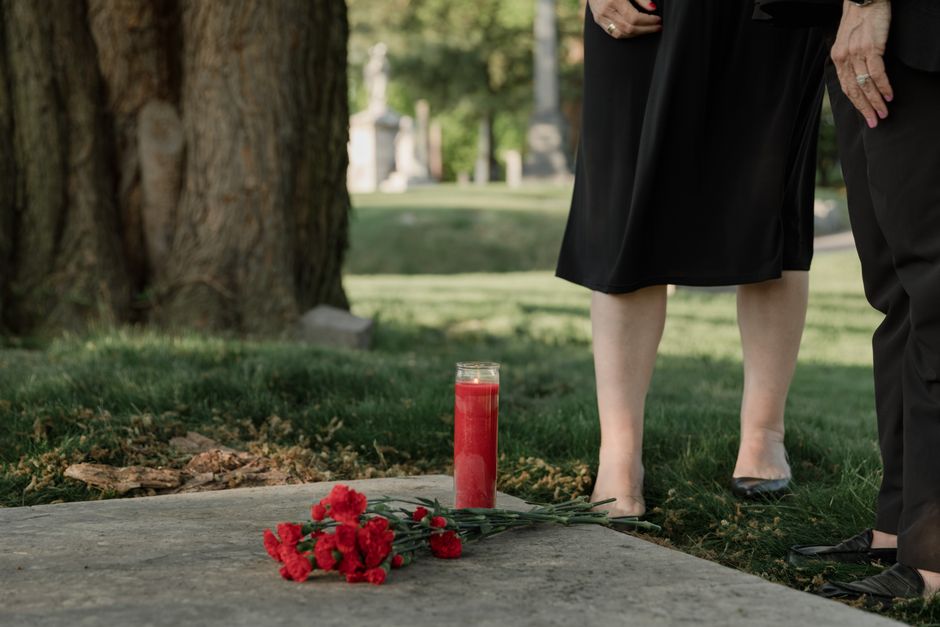
When a service has ended, the moment that follows can feel strangely quiet. People are still holding emotions in their shoulders, coats are being buttoned up, and someone is usually asking, in a very gentle voice, where the flowers should go. This Keston Common guide to placing flowers after a service is here to help with that exact moment: what to do, where floral tributes are normally placed, how to handle them respectfully, and how to avoid awkward last-minute confusion.
In practice, placing flowers after a service is less about ceremony and more about care. It is the final, visible act of tribute, and it deserves a little thought. Whether you are arranging flowers for a funeral, a memorial gathering, or a smaller family service near Keston Common, the right approach can make the whole experience feel calmer and more dignified. Let's make it simple.
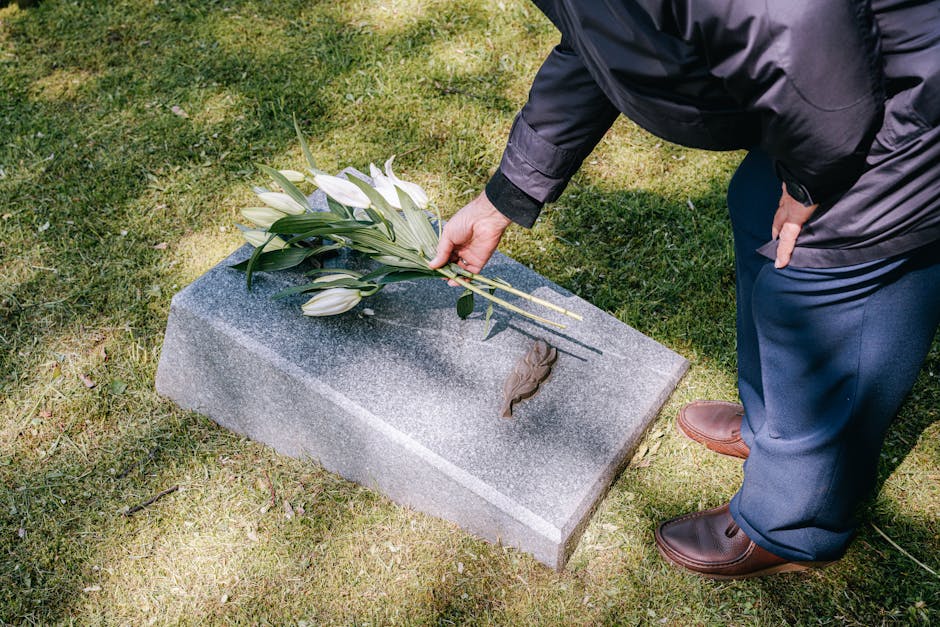
Table of Contents
- Why Keston Common guide to placing flowers after a service Matters
- How Keston Common guide to placing flowers after a service Works
- Key Benefits and Practical Advantages
- Who This Is For and When It Makes Sense
- Step-by-Step Guidance
- Expert Tips for Better Results
- Common Mistakes to Avoid
- Tools, Resources and Recommendations
- Law, Compliance, Standards, or Best Practice
- Options, Methods, or Comparison Table
- Case Study or Real-World Example
- Practical Checklist
- Conclusion
- Frequently Asked Questions
Why Keston Common guide to placing flowers after a service Matters
Flowers after a service do more than decorate a space. They carry messages that are sometimes hard to say out loud: love, grief, gratitude, respect, remembrance. In many families, the floral tribute is one of the few things that can be planned in advance and still feel deeply personal on the day.
That is why this guide matters. A well-placed tribute can help bring the service to a peaceful close. A poorly handled one, on the other hand, can create unnecessary stress: bouquets left in the wrong place, wreaths blocking walkways, or family members unsure whether to take the flowers home, leave them at the venue, or arrange collection. Small things, yes. But on an emotional day, small things are big.
In and around Keston Common, many people prefer a quiet, respectful style that suits the atmosphere of the day. That usually means keeping floral arrangements simple, easy to carry, and clearly labelled if they are intended for a specific person or location. If the flowers are being sent in advance, you may also want to understand the delivery process through delivery information so everything arrives at the right time without fuss.
Key point: placing flowers after a service is not just an etiquette question. It is part of how families create a gentle transition from the formal service to the personal moments that follow.
How Keston Common guide to placing flowers after a service Works
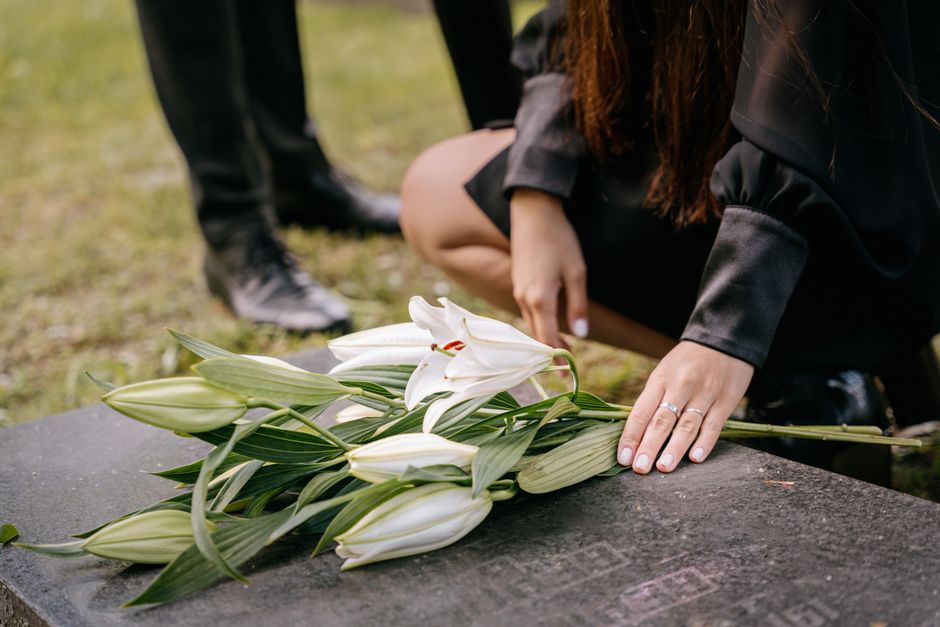
The basic process is straightforward, but it helps to know the rhythm of it. A service usually ends with the main tribute or farewell moment. Then attendees either move to a graveside, crematorium area, reception space, or family gathering point. At that stage, flowers are placed according to the venue's wishes and the family's instructions.
Most of the time, there are three possible outcomes for the flowers:
- They remain with the family for collection and later distribution.
- They are placed at a designated memorial spot such as a coffin table, remembrance area, graveside, or garden of rest.
- They are taken home or shared among close relatives and friends after the service.
The right choice depends on the type of service, the venue, the family's preferences, and the form of the tribute. A casket spray, for example, has a different role from a hand-tied bouquet. A wreath is often displayed in a more formal way, while sympathy flowers or posies may be easier to divide and take away. If you are choosing arrangements for a farewell, funeral flowers in Keston BR2 can help you decide what suits the occasion best.
It also helps to think ahead about transport. Some tributes are light and manageable; others are large and a little awkward in the car. Truth be told, that is where people get caught out. A beautiful arrangement is lovely, but if it is too tall for the boot or too delicate to carry across a damp churchyard path, the day gets harder than it needs to be.
Key Benefits and Practical Advantages
There are emotional benefits to placing flowers well, but there are practical ones too. Done thoughtfully, the floral arrangements support the service instead of disrupting it.
Here are the main advantages:
- It creates a calm finish to the service, rather than a rushed or uncertain end.
- It honours the person properly by keeping tributes visible and respectful.
- It reduces confusion about who should take which flowers and when.
- It helps with family logistics by making collection easier after the service.
- It allows for better photo or memory moments if the family wants a keepsake.
There is also something quietly reassuring about seeing flowers in the right place. A white wreath at the memorial stand, a soft posy by the book of condolences, a spray laid carefully at the front of the hearse - it all helps the moment feel complete. Not perfect. Nothing about grief is perfect. But complete, yes.
If you want arrangements that suit a more traditional tribute style, you might explore wreaths, sprays, or tributes designed for funeral settings. These formats are often easier to place neatly and with confidence.
Who This Is For and When It Makes Sense
This guidance is useful for anyone involved in planning, sending, or receiving flowers after a service. That includes close family, friends, funeral directors, celebrants, organisers, and colleagues wanting to send a respectful tribute.
It especially makes sense if you are:
- arranging flowers for a funeral or memorial service in advance
- unsure whether flowers should go to the venue, graveside, or family home
- trying to decide between a wreath, posy, spray, or bouquet
- coordinating multiple floral tributes from different people
- planning a service with limited time between ceremony and burial or cremation
Sometimes people feel awkward asking these questions. They do not want to seem insensitive. Fair enough. But it is far better to ask a simple question beforehand than to arrive on the day with a pile of flowers and no plan for them. A good florist will expect these questions and should be able to steer you in the right direction. If you are looking for a reliable local option, a florist in Keston BR2 can usually advise on format, timing, and presentation.
For smaller family gatherings, or when the service is more private, flowers may be limited to one or two arrangements. In larger services, especially where many people want to contribute, clear structure matters more. This is where the placement plan becomes very helpful.
Step-by-Step Guidance
If you want the simplest possible way to handle flowers after a service, use this approach. It keeps the process calm and avoids guesswork.
- Confirm the family's preference. Ask whether flowers should be left at the venue, taken to the graveside, shared with family, or collected later.
- Check the service format. A cremation service, burial service, memorial service, and church service can each have slightly different expectations.
- Match the tribute to the occasion. Larger casket sprays and wreaths suit formal displays, while bouquets and posies are often easier for personal handing over.
- Arrange delivery timing carefully. Flowers should arrive before the service starts or with enough time to be positioned properly. Last-minute scrambling is no one's friend.
- Label tributes where needed. If a flower arrangement is from a specific person or group, make sure the card or ribbon is easy to read.
- Place flowers at the right moment. Usually this is after the service ends, once attendees are ready to move or gather.
- Keep pathways clear. Do not block doors, aisles, or seating. A tribute should feel respectful, not like an obstacle course.
- Decide on collection or redistribution. After the formal part is over, the family may take arrangements home, divide them, or leave them with the venue if that has been agreed.
A useful rule of thumb: if you are not sure where something belongs, ask before the day. That one small conversation can save a surprising amount of stress.
For anyone ordering flowers to send directly, it may also help to browse send flowers in Keston BR2 or compare the selection in flower delivery Keston BR2 so the arrangement fits both the message and the setting.
Expert Tips for Better Results
Over time, a few practical habits make a real difference. They are not flashy, but they work.
- Choose sturdy blooms. Flowers such as roses, lilies, carnations, chrysanthemums, and alstroemeria tend to travel well and hold shape better.
- Think about colour mood. White and soft pastels feel calm and traditional, while mixed colours can feel warmer and more celebratory.
- Keep scent in mind. Strong fragrance can be lovely, but in a small indoor space it may overwhelm. A gentle scent is often safer.
- Use proper tribute wording. Short, clear messages read best on the day. Try not to overcomplicate it.
- Account for weather. If flowers will be carried outdoors, rain, wind, and uneven ground all matter a bit more than people expect.
One thing we often suggest is choosing an arrangement that can still look dignified after being moved a few times. A tribute that is absolutely pristine in the shop window is nice, but the real test is how it behaves once it has been carried into a venue, put down, picked up again, and taken to the final resting place. That is the practical truth of it.
If you want something understated and easy to place, consider styles such as white roses service arrangement or pink roses service arrangement. For a softer mixed style, a hand-picked option from florist choice can be a sensible route.
Small detail, big effect: a ribbon that sits neatly and a card that does not flap in the breeze really does matter. Not glamorous, but there it is.
Common Mistakes to Avoid
A lot of the problems people face are completely avoidable. Usually they come from good intentions and not enough planning.
- Ordering the wrong size. Very large arrangements can be difficult to position after the service.
- Leaving delivery too late. If flowers arrive after people are already seated, the ceremony becomes awkward.
- Choosing delicate blooms for a long journey. Some flowers bruise easily or wilt faster if moved too much.
- Not checking venue rules. Some places have preferred areas for tributes or restrictions on where flowers can be left.
- Forgetting who is taking the flowers home. This sounds minor, but it is one of those things that causes unnecessary dithering.
- Using wording that is too long or unclear. Keep messages brief and readable.
Another common issue is assuming the same flowers work for every setting. They do not. A formal funeral service, a church memorial, and a small gathering at home each call for slightly different choices. If you are unsure, start with the setting first, then choose the arrangement. That order helps more than most people realise.
And yes, flowers can be emotional. Someone always says, "I thought this would be easier," and, well, that is grief for you. A bit sideways, a bit messy.
Tools, Resources and Recommendations
You do not need a complicated toolkit, but a little preparation goes a long way.
- Floral card or ribbon message: keeps the tribute identified clearly.
- Transport box or flat surface in the car: helps keep arrangements stable on the journey.
- Water source or floral wrap: useful if there is any delay before placement.
- Contact details for the venue or organiser: essential if you need last-minute direction.
- Backup tissue or cloth: surprisingly handy for damp stems, ribbon ends, or a quick tidy.
In terms of product selection, practical arrangements often make the day smoother. A few useful choices include funeral collections, sympathy flowers, and flowers in a vase if the family is likely to take tributes home afterwards. Vase arrangements can be especially convenient when people are moving between venues or gathering somewhere private after the service.
For those balancing budgets, there are also more modest options such as cheap flowers Keston BR2 and budget ranges. Lower cost does not have to mean careless. It just means being more deliberate about shape, colour, and size.
If you prefer a more personalised approach, a thoughtful florist can guide you through tribute wording, flower choice, and timing. That human support matters, especially when the day already feels full.
Law, Compliance, Standards, or Best Practice
Flower placement after a service is usually guided more by venue practice, etiquette, and family preference than by strict law. Still, there are sensible standards worth following.
Best practice in the UK context usually includes:
- respecting the venue's instructions on where tributes can be left
- avoiding blocked exits, aisles, and access routes
- checking whether flowers should be collected, removed, or left in situ after the service
- keeping any messaging dignified and appropriate to the occasion
- being mindful of accessibility for older mourners or those with mobility issues
If the service is being held in a church, crematorium, cemetery, or private hall, the organiser may have arrangements in place already. It is sensible to follow those closely. Venues often know the practical detail that most people do not think about until they are standing there, carrying a bouquet and wondering where on earth it should go.
There can also be practical policies around delivery times, parking, collection, and public access. Those are not usually dramatic legal matters, just normal venue expectations. Still worth checking. A quick call or message beforehand saves a lot of uncertainty.
For wider service information, you may also find it helpful to look at guarantees, terms and conditions, and returns and refund information if you are ordering online for an important date.
Options, Methods, or Comparison Table
Different tribute styles work better in different situations. Here is a simple comparison to help you choose.
| Tribute type | Best for | Why it works after a service | Points to watch |
|---|---|---|---|
| Wreath | Formal tributes and memorial displays | Looks balanced, stable, and clearly ceremonial | Can be bulky to transport |
| Spray | Coffin-top or displayed tribute | Sits neatly and is easy to position with the main tribute area | May need careful handling if long-stemmed |
| Posy or basket | Family home, personal tribute, or smaller service | Easy to carry and often simple to share afterwards | Less visible in larger venues |
| Bouquet | Sympathy gifting and general tribute sending | Flexible, warm, and suitable for collection or home display | May need a vase or water after the service |
| Vase arrangement | When flowers will go home with the family | Low effort to place and easier to reuse later | Glass or ceramic can be heavier to move |
If you are choosing between them, ask yourself one simple question: will these flowers be displayed formally, carried home, or handed over personally? The answer usually points you in the right direction.
Case Study or Real-World Example
Here is a typical example from a local-style funeral arrangement. A family wanted a calm, respectful service with flowers that felt traditional but not overly formal. They chose a white tribute for the front display, a smaller mixed arrangement from close friends, and one vase-based bouquet for the family to take home afterwards.
Before the service, the florist confirmed the delivery window and where each arrangement should be placed. The larger tribute was positioned with the main display, while the smaller flowers were set aside on a separate table so the family could collect them at the end. Nothing complicated. Just organised.
The useful part was not the flowers themselves, but the planning around them. No one had to guess where anything belonged, and no one was left standing at the exit with three arrangements and a puzzled expression. There was a quiet moment after the service when the family gathered the flowers, paused, and simply took a breath. That is often what the right planning gives you: a bit of peace when you need it.
For a similar level of calm handling, many people prefer arrangements from always in my heart casket spray, peaceful thoughts cushion, or heartfelt sympathy posy. Those styles tend to place neatly and travel well, which sounds dull until you are the one carrying them.
Practical Checklist
Use this checklist before the day and again right before the service starts.
- Have you confirmed where the flowers should be placed after the service?
- Do you know who will take the flowers home, if anyone?
- Have you chosen the right tribute style for the venue and format?
- Is the delivery time set with enough margin?
- Have you checked the wording on the card or ribbon?
- Will the arrangement fit in the car safely if you are collecting it?
- Are the flowers easy to move without damaging them?
- Have you thought about weather, steps, and access routes?
- Do you know whether the venue has a designated flower area?
- Is there a backup contact in case plans change on the day?
Helpful reminder: if you are still unsure about the ideal arrangement, choose the option that is easier to carry, easier to place, and easier to share afterwards. That simple rule solves a lot.
Conclusion
Placing flowers after a service should feel thoughtful, not stressful. With a little planning, the process becomes a gentle part of the farewell rather than a logistical headache. The main things to get right are timing, placement, and the family's wishes. Everything else follows from there.
In Keston Common and the wider BR2 area, the most successful tributes tend to be the ones that feel calm, considered, and easy to manage on the day. Whether you choose a wreath, a spray, a bouquet, or a sympathy arrangement, the best flowers are the ones that support the moment without getting in the way of it.
If you are ready to plan the right tribute, speak with a local florist who understands the tone and timing of funeral flowers, and make the process easier for everyone involved.
Get a free quote today and see how much you can save.
A thoughtful arrangement can't take away the loss, of course. But it can help carry the moment with grace, and sometimes that is enough for today.
Frequently Asked Questions
Where should flowers be placed after a funeral service?
Usually they are placed where the family or venue prefers: at the front display, graveside, memorial area, or collected for later. If you are unsure, ask the organiser before the day.
Do flowers go with the coffin or stay with the family?
It depends on the arrangement and the family's wishes. Casket sprays often stay with the coffin display, while bouquets and smaller tributes are commonly taken home or shared afterwards.
What flowers are best for placing after a service?
Sturdy flowers that hold up well during transport are usually best, such as roses, lilies, carnations, chrysanthemums, and alstroemeria. The right choice also depends on the tone of the service.
Can I send flowers if I cannot attend the service?
Yes, absolutely. Many people send flowers directly to the venue or family address. Just make sure the delivery details and timing are clear so the tribute arrives at the right moment.
Should funeral flowers be white?
White is traditional and widely used, but it is not the only option. Soft pinks, purples, mixed colours, and seasonal tones can all work well if they suit the person being remembered.
How much should I spend on flowers after a service?
There is no fixed amount. Budgets vary a lot. What matters most is choosing something appropriate and well presented. A modest arrangement can be just as meaningful as a larger one.
What is the difference between a wreath and a spray?
A wreath is usually circular and symbolic of remembrance. A spray is a longer, flatter arrangement often designed for a coffin top or ceremonial display. Both are common in funeral settings.
Can flowers be taken to the graveside after the service?
Yes, if the family and venue agree. Some services include a graveside moment, while others end at the crematorium or memorial area. Always check in advance so the flowers go to the right place.
What should I write on a funeral flower card?
Keep it short and sincere. A name, a simple message, or a brief phrase of sympathy is usually enough. Clear wording is best because it is easier to read during an emotional day.
How do I make sure flowers arrive on time?
Order early, confirm the service time, and give complete address details. If the timing is tight, choosing a delivery service that offers reliable local handling can reduce the risk of last-minute problems.
Are there rules about leaving flowers at a venue?
There are usually venue guidelines rather than strict legal rules. Churches, crematoriums, and cemeteries may have preferred places for tributes or collection arrangements, so it is best to follow their instructions.
Can I reuse flowers after the service?
Yes, many families take flowers home or divide them among relatives. Vase arrangements and smaller posies are especially easy to reuse. It can be a comforting way to keep the tribute close for a little longer.